Understanding the psychology behind high-stakes gambling Is the thrill worth the risk
High-stakes gambling has an undeniable allure that draws countless individuals into its grasp. The thrill of risking large sums of money for the chance of a substantial payout creates an adrenaline rush that many find exhilarating. This emotional high, often compared to a rollercoaster ride, can become addictive, overshadowing the potential consequences. Gamblers may find themselves engrossed in the moment, neglecting the reality of their financial situation, and focusing solely on the excitement of the gamble. For those interested in exploring options, our guide features the best uk top betting sites for an informed approach.
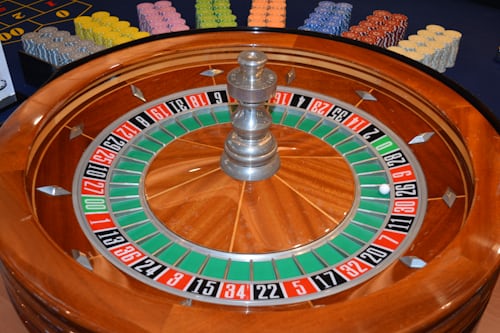
Moreover, the environment in which high-stakes gambling occurs plays a significant role in amplifying this allure. Lavish casinos, filled with bright lights and captivating sounds, create an atmosphere that heightens emotions. This sensory stimulation can lead to impulsive decisions, as the brain’s reward system responds positively to the prospect of winning. Consequently, the combination of emotional highs and an enticing environment can blur the line between rational thought and reckless behavior.
The social aspect of high-stakes gambling cannot be overlooked either. Many individuals are drawn to the camaraderie found in betting environments, sharing the highs and lows with fellow gamblers. This social interaction can enhance the thrill, making the experience feel communal and exciting. For some, the allure is not just the potential monetary gain but also the connections formed during the gambling process, making it a multifaceted experience that goes beyond mere chance.
The psychology behind risk-taking in gambling is complex and multifaceted. Individuals often engage in high-stakes gambling due to a mix of cognitive biases and emotional triggers. For instance, the ‘illusion of control’ is a common phenomenon where gamblers believe they can influence the outcome of games based on their skill or strategy, despite the inherent randomness involved. This false sense of control can lead to repeated gambling, as players become convinced that their actions can lead to a win.
Additionally, the concept of ‘loss aversion’ plays a crucial role in gambling behavior. Research suggests that people are more motivated to avoid losses than to achieve equivalent gains. This can create a cycle where individuals continue to gamble to recover losses, believing that persistence will ultimately yield positive results. As a result, the psychological need to chase losses can lead to a dangerous cycle of increased risk-taking.
Furthermore, the thrill of gambling can trigger the release of dopamine in the brain, reinforcing the desire to engage in high-stakes bets. This neurotransmitter is often associated with pleasure and reward, creating a feedback loop that encourages further gambling. Over time, individuals may find themselves caught in a spiral where they seek the thrill of winning, often at the expense of their financial well-being and personal relationships.
While the thrill of high-stakes gambling can be enticing, the consequences can be dire. Financial ruin is one of the most immediate risks, as individuals may find themselves wagering more than they can afford to lose. This often leads to debt, stress, and a host of emotional problems, including anxiety and depression. The pressure to recover financial losses can create a cycle of gambling that seems impossible to break.
Beyond financial strain, high-stakes gambling can have significant repercussions on personal relationships. Families may be torn apart by the strain of financial instability, as trust erodes and communication falters. Loved ones may feel helpless as the gambler prioritizes betting over their well-being, leading to feelings of isolation and despair. The social stigma surrounding gambling addiction can further complicate matters, making it difficult for individuals to seek help or support.
Additionally, high-stakes gambling can lead to long-term psychological issues. Individuals may struggle with issues such as low self-esteem, feelings of worthlessness, and difficulty coping with stress. The aftermath of gambling-related losses can linger, affecting one’s ability to function in daily life. As a result, the thrill of the gamble may not be worth the significant emotional and psychological costs that often accompany it.
Understanding the psychological factors at play in high-stakes gambling is essential for developing responsible gambling strategies. Awareness of cognitive biases and emotional triggers can empower individuals to make more informed choices. For instance, setting strict budgets and adhering to them can help prevent overspending, allowing individuals to enjoy the thrill without falling into financial traps.
Furthermore, incorporating breaks during gambling sessions can provide valuable perspective. Taking time away from the tables or machines allows individuals to reassess their emotional state and financial situation. This practice can help mitigate impulsive decisions driven by excitement and stress, leading to healthier gambling habits. Education about the odds and understanding the nature of gambling games can also foster a more informed approach to betting.
Support networks play a crucial role in responsible gambling practices. Whether through friends, family, or professional help, having a support system can provide accountability and encouragement. Gamblers should not hesitate to seek help if they find themselves struggling with their habits. Understanding that help is available can foster a healthier relationship with gambling, ensuring that it remains a source of entertainment rather than a destructive force.

In conclusion, the psychology behind high-stakes gambling is intricate, marked by both allure and risk. Understanding the factors that drive individuals toward high-stakes betting can inform responsible gambling practices and highlight the importance of balance. While the thrill of gambling can be enticing, the potential consequences often outweigh the rewards. It is vital for individuals to assess their motivations and engage in responsible practices to ensure that their gambling experience remains enjoyable and safe.
For those seeking more information on responsible gambling and strategies to mitigate risks, comprehensive resources are available. Websites dedicated to gambling education provide valuable insights and support for anyone looking to maintain a healthy relationship with betting. Prioritizing knowledge and self-awareness can significantly impact one’s gambling journey, making it a more enjoyable and less risky endeavor.