

In today’s digital landscape, we often take for granted the vast universe of information available online. However, not every website is accessible or active. Whether it’s due to technical difficulties, content removal, or intentional oversight, there are many reasons why certain sites are not on the internet. One such intriguing example can be found at which sites are not on GamStop? sheffieldcityofmakers.co.uk, which serves as a hub for local innovation and creativity. In this article, we delve into the various reasons why websites might not be available, what it means for users, and how one can navigate this aspect of the online world.
Firstly, it is essential to understand the mechanics of the internet. Websites are hosted on servers that require various resources to function correctly. Sometimes, sites are taken down due to server issues, ranging from high traffic overloads to complete server failures. For users, this can be frustrating as they encounter ‘404 Not Found’ errors or slow loading times. Such technical hiccups can deter people from accessing valuable resources.
Another reason websites may not be accessible is content removal. Site owners often choose to take down their sites for several reasons. They might be revamping their content or may have decided that the information is no longer relevant. This can be particularly common with personal blogs or small business sites where the owner chooses to focus their efforts elsewhere. The removal of content can deprive users of potentially valuable insights and information.
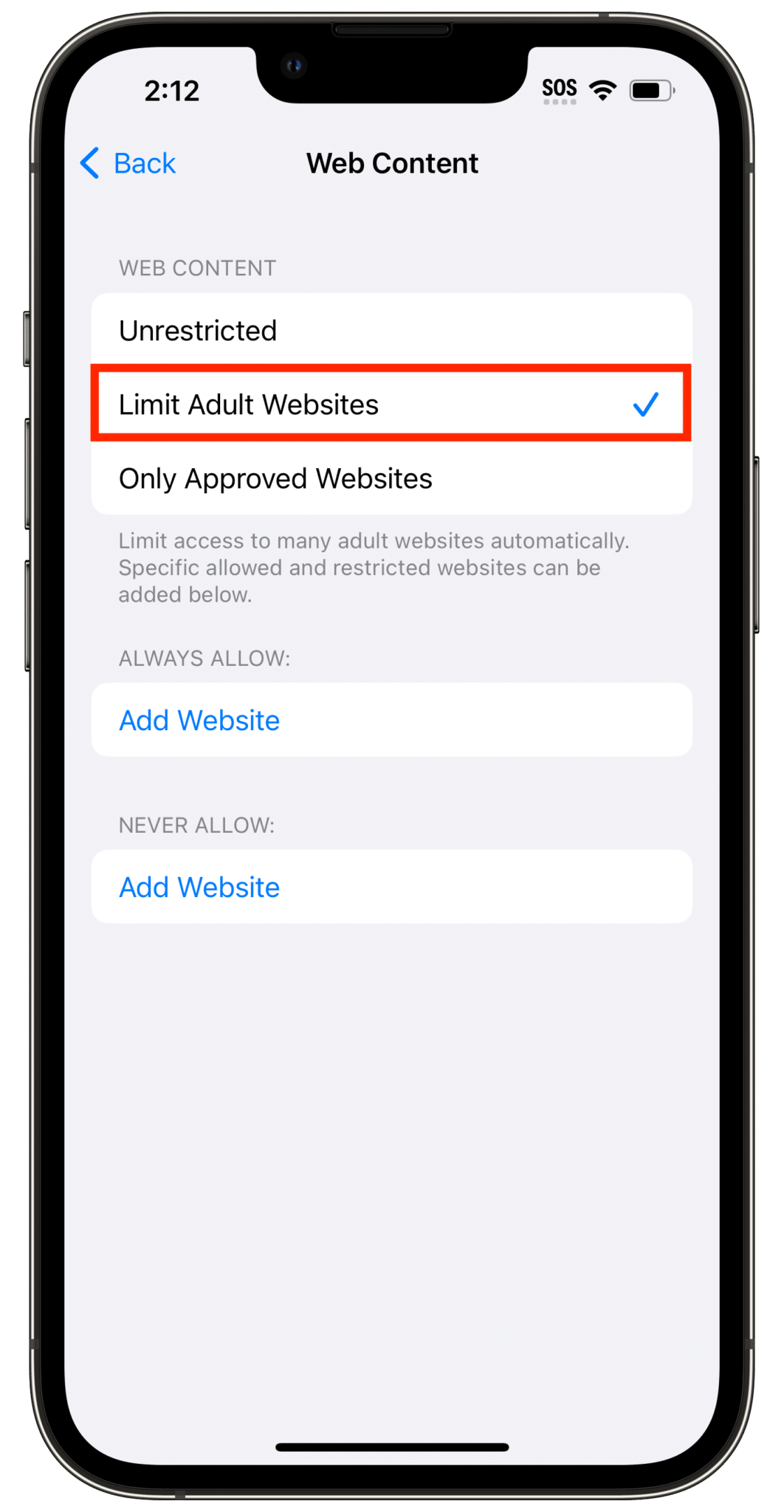
Moreover, some websites may face legal challenges that result in their removal from the internet. Copyright issues, trademark disputes, or even requests from law enforcement can lead to the takedown of certain sites. This aspect highlights the delicate balance between free speech and lawful content distribution. Users must be aware that not all the information they seek may be readily available online and that they should verify the legitimacy of the sources they consult.
Additionally, websites may be intentionally hidden or restricted due to geographical or governmental censorship. In specific countries, internet regulations can prevent citizens from accessing various information deemed inappropriate or threatening to the state’s interests. This was seen with various social media sites during political upheavals. In such cases, a VPN (Virtual Private Network) can serve as a workaround, allowing users to navigate around these restrictions safely.
On the flip side, some websites are not merely offline but exist on the so-called “dark web,” where they cannot be accessed through traditional browsers. This part of the internet serves various purposes, some of which are legitimate, while others are illegal, hosting marketplaces for illicit goods or forums for criminal enterprises. Navigating this section of the web requires specialized software and a thorough understanding of the risks involved.
A significant aspect of the internet landscape is the plethora of inactive domains. Domain squatting is commonplace, where individuals register domain names with the intent of reselling them at a higher price without hosting any content. These sites contribute to the confusion as they can seem active when, in reality, they lead users to a dead-end. Tools like WHOIS can help users investigate the status of a domain to understand why it is not currently accessible.
Users encountering inaccessible websites should consider alternative methods of obtaining the necessary information or similar content. Search engines are constantly evolving, and there are often multiple platforms hosting the same or similar information. Utilizing various search engines, forums, or social media can help users find the information they need, even if one particular site is down.
Moreover, it’s worth noting that many individuals and organizations have adopted social media as a means to disseminate information. For instance, if a company’s website is down, they might still communicate updates through their Twitter or Facebook pages. Users should always check these channels to stay informed.
Continuing with the discussion, it’s pertinent to mention the growing emphasis on web accessibility. Many websites aim to assure that their content is available to all users, including those with disabilities. Unfortunately, sites that fail to meet these standards can inadvertently alienate users, leaving a portion of the web inaccessible to segments of the population. This brings to light the importance of web design practices that consider user accessibility and usability standards.
As technology evolves, web design has seen significant changes that allow for more responsive and inclusive platforms. Websites not optimized for mobile or touchscreen devices may find themselves losing segments of their audience due to incompatibility. Users whose primary internet access comes from mobile devices may often find themselves unable to engage with a site efficiently, indicating a need for site owners to embrace modern design practices.
As we navigate the complexities of the online world, it’s essential for users to equip themselves with the knowledge and tools to handle inaccessible websites. Bookmarking alternative resources, utilizing reliable search engines, and staying informed through various social platforms are all strategies that can enhance the online experience. Additionally, understanding the legal landscape and being aware of potentially restricted websites will help in making informed decisions about online research.
In conclusion, while the internet provides an impressive array of resources, there are inevitable instances where specific websites are not available. Understanding the reasons behind this can empower users to adapt and seek alternative pathways for information. As we continue to explore the internet, recognizing the limitations and challenges that come with it will make us more adept and proficient in curating our online experiences.