The appeal of casinos is undeniable; they draw in thousands of visitors with the promise of excitement and the chance of winning big. The vibrant atmosphere, the spinning wheels of fortune, and the clinking of coins create an intoxicating experience that keeps players coming back to places like captaincookerni.co.uk , where they can enjoy thrilling games and promotions. However, beneath the glitzy façade lies a complex web of costs that go beyond mere monetary losses at the tables. Understanding the allure is the first step to grasping the hidden costs associated with frequent visits.
Many individuals view casinos as a form of entertainment, often comparing it to going out to a movie or dining at a fine restaurant. Yet, unlike these more traditional pastimes, casinos operate on an entirely different economic model that can lead to excessive spending. It’s not just about the amount wagered; there are additional expenses that rack up, including travel costs, food, drinks, and lodging, especially for those who venture to destination casinos. This blend of excitement and financial peril can quickly escalate, transforming a night out into a costly habit.
The social aspect of casinos also plays a significant role in their appeal. Gathering with friends or meeting new people in a thrilling environment enhances the overall experience. However, this can lead to overspending, as individuals may feel pressured to increase their bets or purchase more expensive drinks to keep up with the crowd. The compulsion to fit in can mask the reality of financial strain, making it crucial to remain conscious of both spending and the potential for addiction.
While many casino-goers may believe they can control their gambling habits, the reality is often quite different. The adrenaline rush associated with winning can lead to an escalation of bets, causing players to exceed their planned budgets. This tendency to chase losses is a psychological trap that many fall into, ultimately leading to significant financial implications. Such behavior can erode personal savings and create long-term debt problems if not carefully monitored.
Moreover, the hidden costs of frequent casino visits can extend well beyond what is spent at the tables. For instance, if someone regularly travels to a casino, travel expenses such as gas, tolls, or airfare can accumulate quickly. Dining at the casino can be significantly more expensive than eating at home, with food and drink prices often inflated to cater to an audience willing to splurge. This combination can create a financial strain that might not be immediately evident but becomes apparent over time.
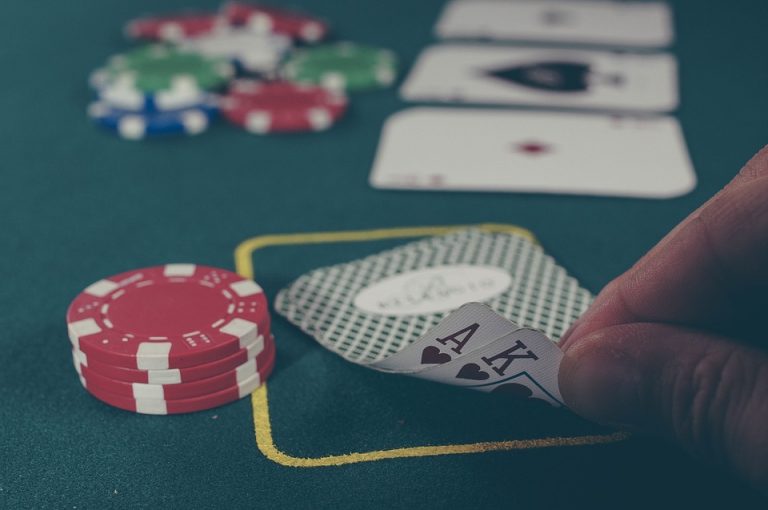
Insurance costs can also rise as the frequency of casino visits increases. Individuals may find themselves experiencing higher levels of stress or anxiety due to their gambling habits, leading to increased healthcare costs. Frequent visits can contribute to the development of issues such as addiction or problem gambling, necessitating treatment or professional assistance, which adds another layer of hidden expenses. Recognizing these financial implications is essential for anyone who wishes to indulge in casino entertainment responsibly.
Frequent casino visits can also strain personal relationships, often in ways that individuals may not fully realize until it’s too late. Those who spend excessive time and money at casinos may neglect their responsibilities at home or work, leading to frustration among family and friends. The emotional fallout from gambling-related stress can further alienate loved ones, creating a cycle of isolation that exacerbates gambling behavior.
Communication breakdowns are common among couples where one partner frequently visits casinos. The secrecy surrounding gambling habits can breed mistrust, leading to further issues in the relationship. When one partner feels neglected or financially unsupported, resentment can build, causing irreparable harm to the partnership. It’s vital for those who choose to indulge in this form of entertainment to maintain open lines of communication and set boundaries to protect their relationships.
In some cases, the effects of frequent casino visits can ripple through families and communities. When individuals struggle with gambling addiction, their loved ones often bear the brunt of the consequences. The financial strain can lead to issues such as bankruptcy, which affects everyone involved. Communities can also be impacted as the social fabric is disrupted by the negative outcomes associated with gambling, including increased crime rates or the emotional toll on families. Ensuring that both personal and community relationships remain intact is essential for promoting healthier gambling behaviors.
Alongside financial and relational costs, the psychological impact of frequent casino visits should not be underestimated. Many individuals may not recognize the emotional toll that gambling can take until feelings of stress and anxiety become overwhelming. The thrill of winning can quickly turn into a desperate chase for the next high, leading to a cycle of highs and lows that can be mentally exhausting. Those caught in this cycle often report feelings of guilt and shame, which can further entrench their dependence on gambling as an escape.
Additionally, the normalization of gambling within society can exacerbate the issue. With the rise of online betting and the constant promotion of casino culture through advertisements, individuals may be more susceptible to developing unhealthy habits. A growing acceptance of gambling can lead to a misunderstanding of its potential consequences, making it crucial for players to recognize the signs of problem gambling. Understanding the psychological costs can serve as a wake-up call for many, prompting them to reassess their habits.
Seeking help from mental health professionals can be a critical step for those who find themselves struggling with gambling-related issues. Therapy and support groups can provide individuals with the tools to navigate their addiction and develop healthier coping mechanisms. Taking such steps not only aids in recovery but can also enhance overall well-being, allowing individuals to build a more balanced life that includes entertainment without the burdens of risk associated with gambling.
Understanding the hidden costs associated with frequent casino visits is vital for anyone considering participating in this form of entertainment. While the allure of winning can be tempting, the financial, relational, and psychological consequences can overshadow any potential gains. Recognizing these hidden costs allows individuals to make informed decisions about their gambling habits and encourages a more responsible approach to gaming.
For those who choose to enjoy the thrill of a casino, setting firm budgets, establishing time limits, and remaining aware of emotional triggers can help mitigate the risks associated with excessive gambling. Responsible gaming is about finding a balance that allows for enjoyment without succumbing to negative repercussions. Ultimately, the goal should be to enjoy the experience while maintaining a healthy perspective on the costs involved.
Creating a safe gambling environment extends beyond individual responsibility. It also requires communities and casinos to promote educational initiatives about responsible gaming practices. By acknowledging the hidden costs and advocating for awareness, both players and establishments can work together to foster a culture of safer gameplay, ensuring that the excitement of casinos remains a positive experience for all.